The Future of Cooling And Heating Employees: What You Required to Understand About Job Opportunities
The cooling and heating industry is undertaking substantial makeover, influenced by improvements in technology and an expanding focus on sustainability. As energy-efficient systems gain traction, the need for knowledgeable workers is anticipated to increase. Future cooling and heating experts will need to adjust to these modifications. Comprehending arising fads and crucial skills will certainly be vital for those seeking to thrive in this advancing landscape. What might these changes imply for occupation chances in cooling and heating?
Arising Trends in the HVAC Market
As the demand for power performance and sustainability grows, arising fads in the cooling and heating industry are improving how experts approach their job. The integration of smart technologies is at the leading edge, with smart systems allowing for real-time surveillance and control of home heating and cooling down processes. This shift not just enhances comfort however likewise noticeably minimizes power intake. Additionally, the usage of eco-friendly refrigerants is getting grip, in response to regulative changes and a collective push in the direction of greener options.
Additionally, adaptable and modular heating and cooling systems are coming to be much more prominent, enabling much easier installment and modification to fulfill specific requirements. Training and accreditation in these sophisticated technologies are important for heating and cooling professionals to remain competitive in the evolving market. In general, these fads indicate a transformative period for the sector, highlighting the relevance of advancement and flexibility in protecting future work possibilities for a/c employees.
Important Skills for Future HVAC Experts
Efficiency in vital skills is important for future HVAC specialists navigating a quickly developing industry. Technical acumen in areas such as refrigeration, electrical systems, and thermodynamics stays foundational. Expertise of modern-day cooling and heating modern technologies, including wise systems and automation, is significantly considerable as structures end up being more interconnected.
Strong troubleshooting skills make it possible for professionals to diagnose and solve concerns effectively, lowering downtime and improving client contentment. Interaction abilities are likewise vital, as service technicians should often discuss complex ideas to customers and collaborate with various other trades
Furthermore, an understanding of safety methods ensures that heating and cooling employees can execute their tasks without endangering safety and security standards. Versatility is essential, as the sector continues to develop with new guidelines and technologies.
The Effect of Power Performance and Sustainability
While the need for HVAC services proceeds to grow, the focus on power performance and sustainability has changed the sector landscape. As environment adjustment concerns increase, both consumers and regulatory bodies are focusing on eco-friendly solutions. This shift has led to increased adoption of advanced modern technologies such as clever thermostats, variable refrigerant circulation systems, and energy-efficient tools. Cooling and heating specialists are now called for to have expertise of these innovations and their installation procedures.
Companies are incentivized to adopt energy-efficient systems with tax debts and discounts, further boosting need for competent employees that can Click This Link implement and keep these services. As business seek to lower operational prices and enhance their ecological impact, the role of HVAC professionals is evolving. Understanding sustainable practices not only boosts their bankability however likewise places them as essential contributors to a greener future, making certain an essential role in the continuous adjustment toward energy-efficient structure methods.
Job Development Opportunities in A/c
Countless occupation advancement chances about his exist within the HVAC sector, showing its vibrant nature and growing need for knowledgeable experts. Entry-level professionals can progress to specialized functions, such as setup specialists, service supervisors, or system designers - HVACJobsOnly. As they acquire experience and qualifications, employees can shift right into managerial settings, looking after procedures and teams
Continuing education and learning is essential, with numerous experts seeking advanced accreditations from companies like the heating and cooling Quality or the Refrigeration Service Engineers Society. These credentials can boost work leads and potential revenues.

Furthermore, the surge of environment-friendly technologies supplies methods for cooling and heating employees to concentrate on energy-efficient systems, even more broadening their profession paths. Opportunities also exist in sales and customer support, where technological expertise boosts customer relationships. Subsequently, the heating and cooling field not just gives a secure profession but additionally fosters development and advancement, encouraging individuals to expand their abilities and knowledge continuously.
The Duty of Innovation in Shaping HVAC Jobs
As modern technology remains to evolve, its influence on a/c jobs ends up being significantly obvious, changing just how professionals come close to maintenance, installment, and repair service tasks. Automation and wise systems have actually transformed traditional approaches, permitting technicians to from another location check equipment and identify concerns with accuracy. These developments not only enhance performance however also lower downtime, ultimately profiting both consumers and employees.

The development of sustainable energy modern technologies, such as geothermal and solar systems, is broadening job possibilities in the Heating and cooling field. The role of innovation is not just a device for renovation but a stimulant for development and innovation within the sector.
Frequently Asked Concerns
What Is the Average Income for A/c Workers in 2023?
In 2023, the ordinary salary for HVAC workers in the United States is click for more info approximately $50,000 every year - HVAC Jobs Only. Elements such as place, expertise, and experience can significantly influence individual profits within this career
Are There Task Opportunities in HVAC for Entry-Level Employees?
Yes, there are task possibilities in cooling and heating for entry-level workers. Numerous business look for individuals happy to find out, supplying training programs and instructions. This market proceeds to expand, offering numerous duties for novices in the market.
Exactly How Does Certification Impact HVAC Task Potential Customers?
Qualification greatly enhances HVAC task potential customers by demonstrating experience and commitment to the area. Employers frequently prefer licensed candidates, watching them as even more qualified, which can bring about enhanced opportunities and possibly greater incomes for certified technicians.
What Geographical Areas Have the Greatest Need for Heating And Cooling Employees?
The highest demand for heating and cooling employees generally exists in urban regions with extreme environments, such as the Southwest and Northeast United States. Fast populace development and industrial development also add to increased task chances in these locations.
What Prevail Career Paths Within the Cooling And Heating Sector?
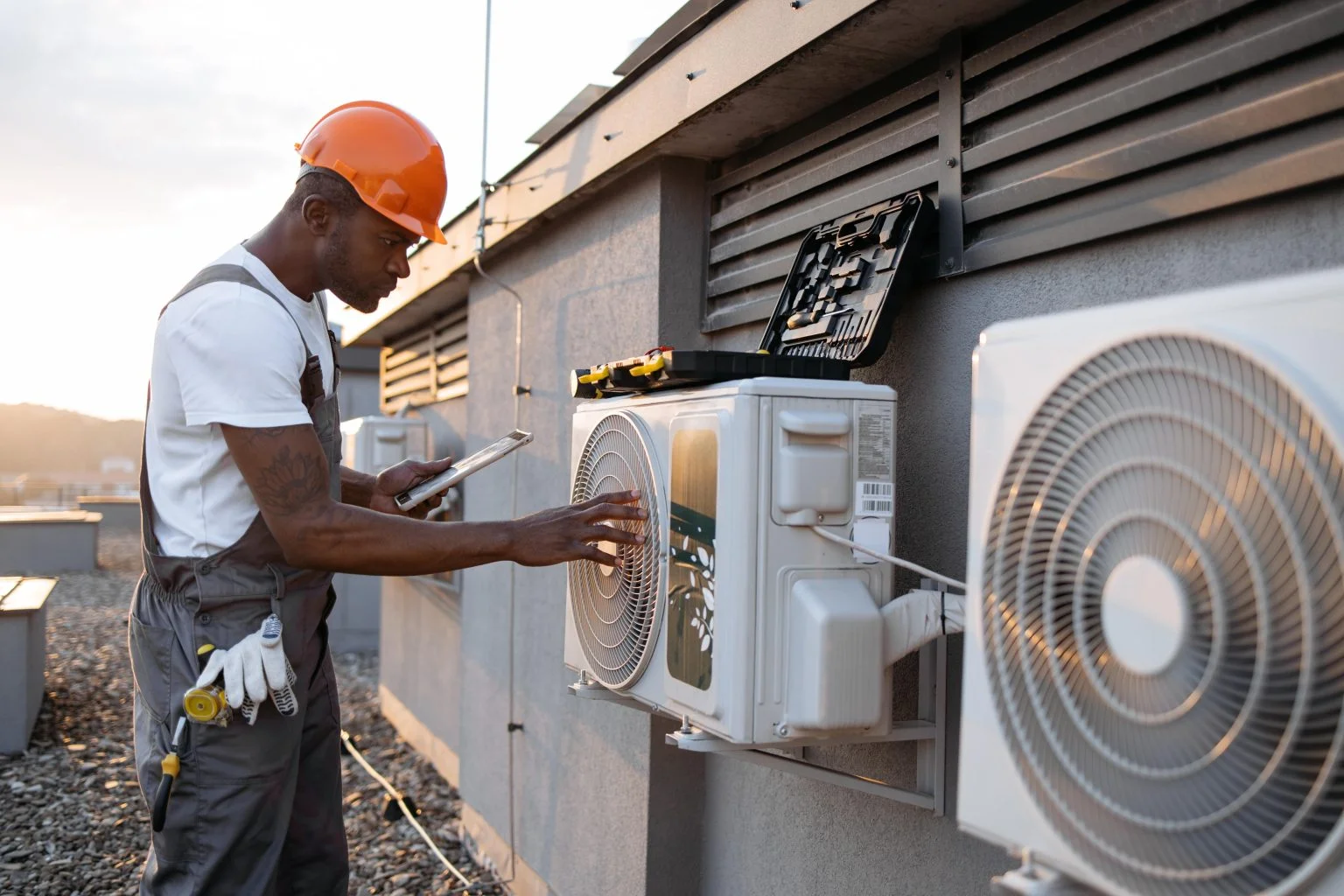
The Heating and cooling industry is undertaking considerable makeover, affected by developments in modern technology and a growing focus on sustainability. As the demand for power effectiveness and sustainability expands, arising trends in the Heating and cooling sector are reshaping exactly how professionals approach their job. Proficiency in crucial abilities is important for future Cooling and heating specialists navigating a rapidly advancing market. Various profession innovation chances exist within the Heating and cooling sector, mirroring its dynamic nature and expanding need for knowledgeable professionals. Usual career paths within the HVAC sector consist of setup service technicians, service professionals, system design engineers, sales agents, and Cooling and heating maintenance managers.